A French manicure is one of the most timeless nail styles in the world. It is clean, elegant, and appropriate for almost every occasion. But one question comes up again and again: how long does a French manicure actually last?
The answer depends on the products used, the application technique, and how well you care for your nails afterward. A regular polish French manicure may last five to seven days. A gel French manicure can last two to three weeks, sometimes longer. A poorly applied French manicure, whether regular or gel, may begin to chip or lift within a day or two.
Understanding what affects wear time is the key to getting the most from your manicure.
How Long Does a French Manicure Last?
With regular air-dry polish, a French manicure typically lasts about five to seven days. Tip wear often appears first, especially on the index finger and thumb. With careful application and daily care, some people get up to ten days.
With gel polish, a French manicure usually lasts two to three weeks. Gel is cured under a UV or LED lamp, so it dries instantly and resists chipping far better than regular polish. The free edge is still the weakest point, but a properly sealed gel French manicure can stay glossy and intact for weeks.
Acrylic or builder gel French manicures can last even longer, often three to four weeks, but they require fills as the natural nail grows out.
What Affects French Manicure Longevity?
Many factors influence how long a French manicure lasts.
Nail preparation. This is the most important factor. Oils, moisture, dust, and invisible cuticle tissue prevent polish and gel from bonding. If the nail plate is not properly cleansed and dehydrated, the manicure will lift at the edges.
Base coat and top coat. A good base coat creates adhesion and prevents staining. A quality top coat seals the colour and adds scratch resistance. Skipping either one shortens wear time dramatically.
Application technique. Thin layers last longer than thick layers. Thick polish cures unevenly, bubbles, and peels. The free edge must be capped—sealed along the tip—with every layer.
Curing. For gel polish, under-curing leaves the gel soft underneath. It may look hard on the surface but lift within days. Always use a lamp compatible with your gel brand and follow the recommended cure time.
Nail growth. As the natural nail grows, the white tip moves away from the cuticle. This does not mean the polish is failing, but it does mean the French look changes. Regrowth becomes visible after about one to two weeks.
Lifestyle and daily habits. Water is the enemy of any manicure. Dishwashing, cleaning, long showers, and swimming weaken the bond. Using nails as tools—opening cans, peeling stickers, scraping labels—causes chips and breaks. Cleaning products and hand sanitisers can also dull the finish.
Nail type and shape. Oily nail beds repel polish. Weak, flexible nails cause product to lift as the nail bends. Square nails with sharp corners are more prone to chipping than oval or squoval shapes.
Product quality. Cheap polishes, old gels, and separated base coats do not perform well. Quality products adhere better, cure more evenly, and maintain their finish.
Tips to Make a French Manicure Last Longer
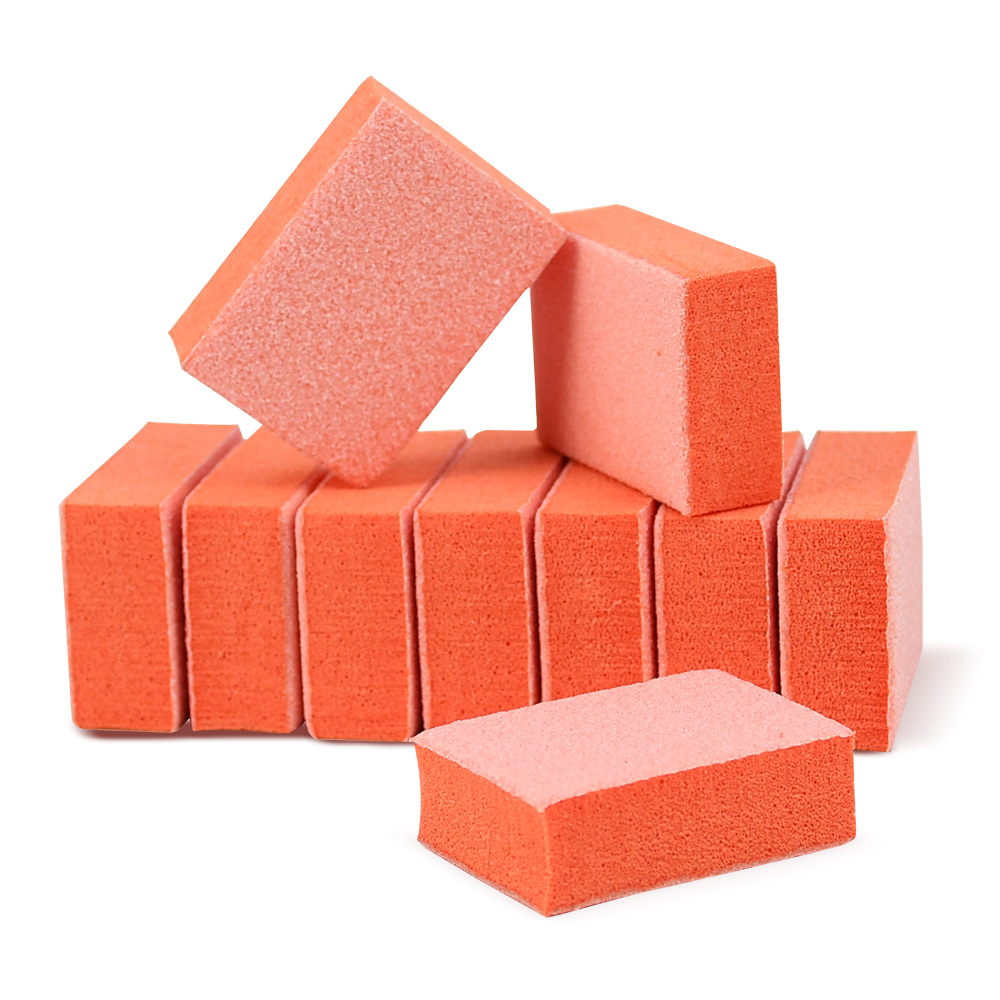
Prepare thoroughly. Remove old polish, shape the nails, push back cuticles, and lightly buff the surface use a fine buffer block. Remove all dust. Wipe each nail with a dehydrator or 91% isopropyl alcohol. Do not touch the nails after this step.
Always use a base coat. It protects the nail and improves adhesion. For oily nails, choose a sticky or rubberised base coat.
Apply thin layers. Two thin coats of colour are better than one thick coat. Thin layers dry faster, look smoother, and chip less.
Cap the free edge. Run the brush along the tip of the nail with every layer—base, colour, and top coat. This seals the edge and prevents water from seeping underneath.
Keep polish off the skin. Product on the cuticle or sidewalls lifts first. Clean up with a small brush dipped in remover before drying or curing.
Cure gel fully. Follow the manufacturer’s instructions. If the gel feels sticky after curing, give it more time.
Seal with a quality top coat. Reapply a thin layer of top coat every two to three days for regular polish. For gel, apply a gel top coat and cure it fully.
Wear gloves for wet work. Dishwashing, cleaning, and gardening expose nails to water and chemicals. A simple pair of rubber gloves protects the manicure.
Apply cuticle oil daily. Hydrated nails are flexible and less likely to chip. Jojoba oil is ideal because it penetrates the nail plate.
Avoid using nails as tools. Keep a small opener and scissors nearby. Treat your nails like jewellery, not multitools.
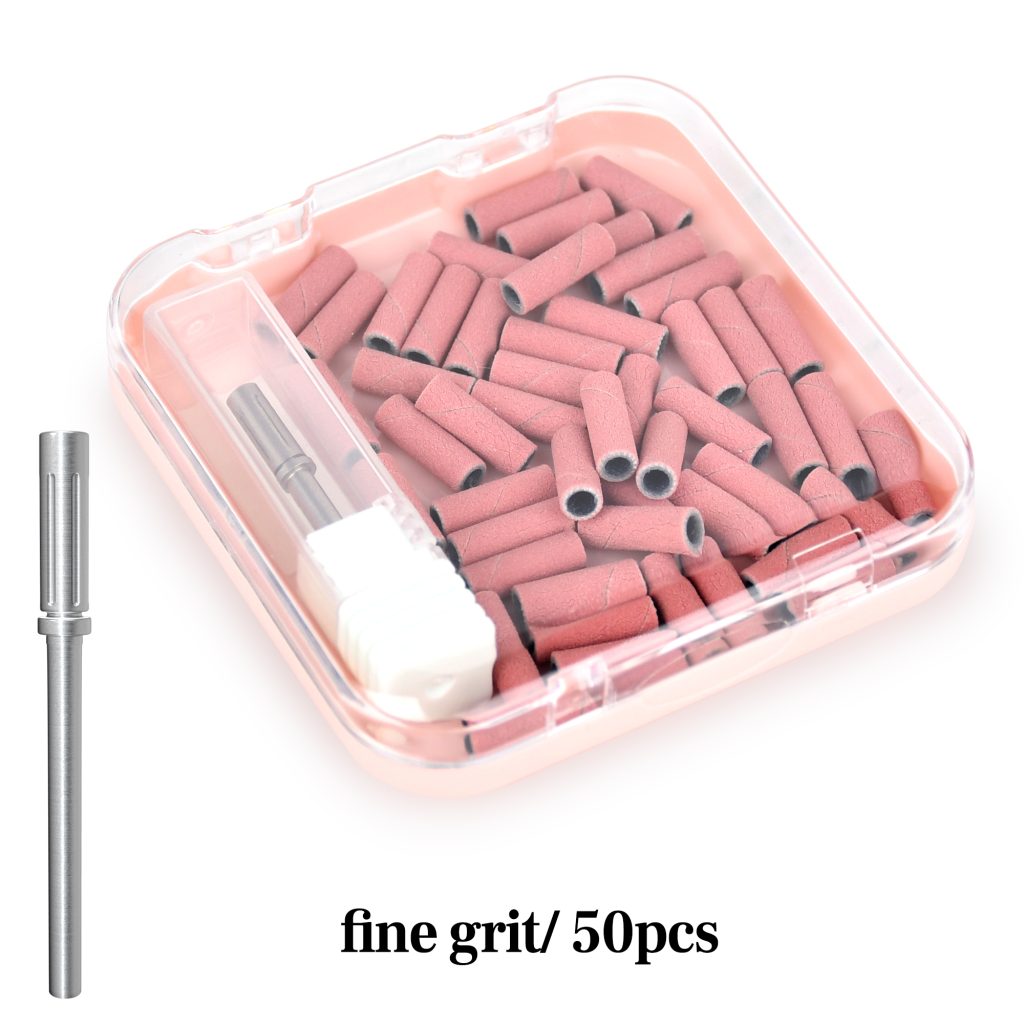
Touch up chips immediately. If a small chip appears, file the edge smooth with a Mini sanding band and apply a thin layer of polish followed by top coat. This stops the chip from spreading.
Products for a Perfect French Manicure
To create a flawless French manicure, you need the right products.
A base coat creates adhesion and prevents staining. A sheer nude or pale pink polish forms the base. An opaque white or off-white polish creates the tip. For a softer look, use a creamy off-white rather than stark white.
A fine liner brush or French tip guides helps create a clean smile line. A cleanup brush dipped in remover perfects the edges. A high-gloss top coat seals the design and adds shine. For gel, you also need a UV or LED lamp and a gel top coat. Cuticle oil is essential for aftercare.
Common French Manicure Techniques
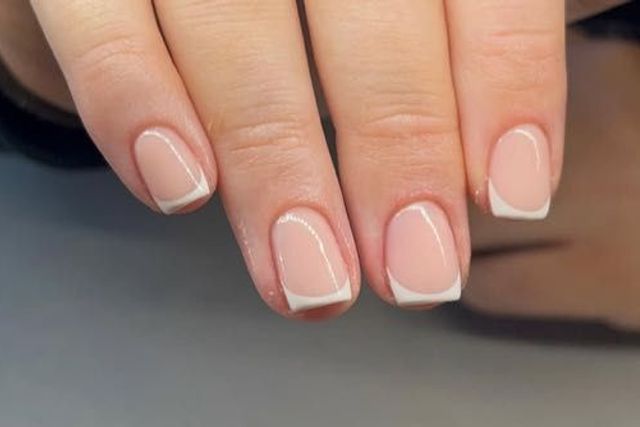
Classic French. A sheer pink or nude base with a crisp white tip. The line follows the natural curve of the smile line.
Micro French. An ultra-thin white line at the very edge of the nail. It is subtle, modern, and works well on short nails.
Colourful French. The white tip is replaced with any colour—pastel, neon, metallic, or deep jewel tones.
Reverse French. Also called a moon manicure. The colour is placed at the cuticle instead of the tip, leaving the rest of the nail nude or sheer.
Ombré French or Baby Boomer. A soft gradient from a sheer nude base to a delicate white tip. It grows out gracefully and looks natural.
Double French. Two parallel lines of colour at the tip. It adds subtle detail without overwhelming the nail.
Geometric French. The curved smile line is replaced with sharp angles, chevrons, or V-shapes for a modern, edgy look.
Negative space French. Parts of the nail are left bare, creating a minimalist, contemporary effect.
Final Thoughts
A French manicure can last anywhere from a few days to several weeks, depending on the products and technique. Regular polish lasts about a week. Gel lasts two to three weeks. Proper preparation, thin layers, sealed edges, and consistent aftercare are the keys to long wear. Choose quality products, cure gel fully, and protect your hands from water and trauma. With a little care, your French manicure will stay elegant, glossy, and chip-free for as long as possible.
Read also: The Art of Applying Nail Polish: Techniques for a Professional, Long-Lasting Finish